

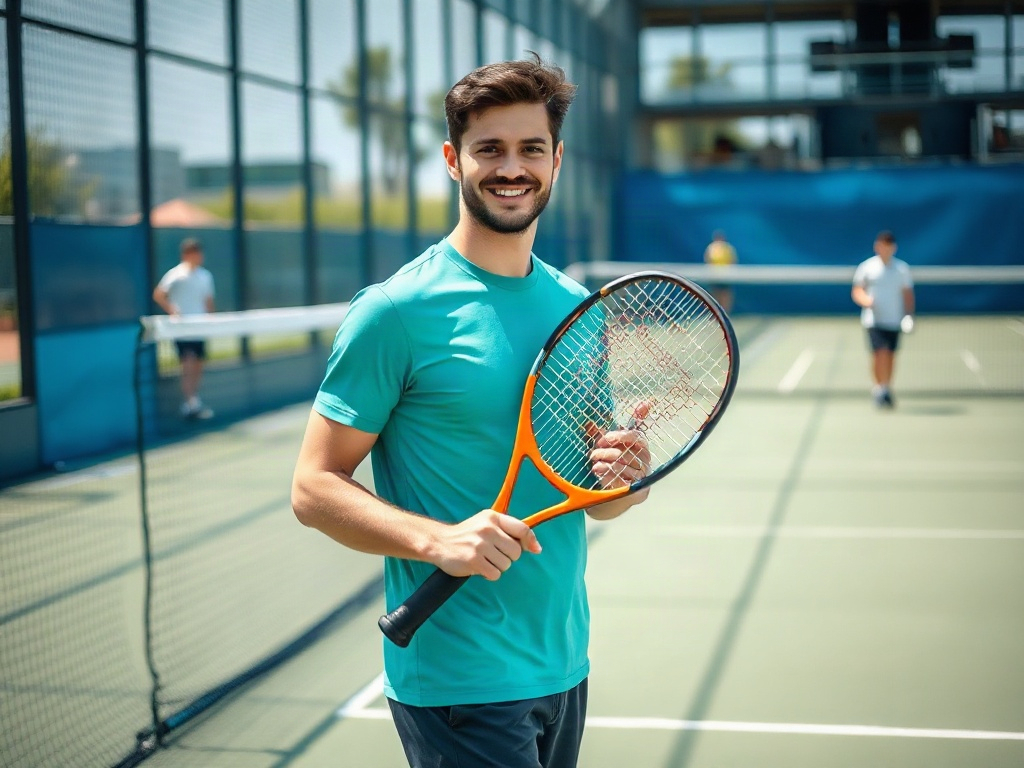
Padel is the kind of sport that wins people over fast because it feels familiar, social, and surprisingly accessible from the first hit. If you have ever watched a rally and wondered why the game looks like a mix of tennis, squash, and a little bit of strategy chess, you are already halfway into the appeal. The court is smaller than a tennis court, the walls are part of the action, and the learning curve is often friendlier than newcomers expect. That combination makes padel a standout choice for anyone who wants a sport that is easy to start but still rewarding to master. In this guide, you will learn the basics of how the game works, what gear you actually need, and how to approach your first match with confidence. By the end, the court will feel much less mysterious and a lot more inviting.
What Is Padel?
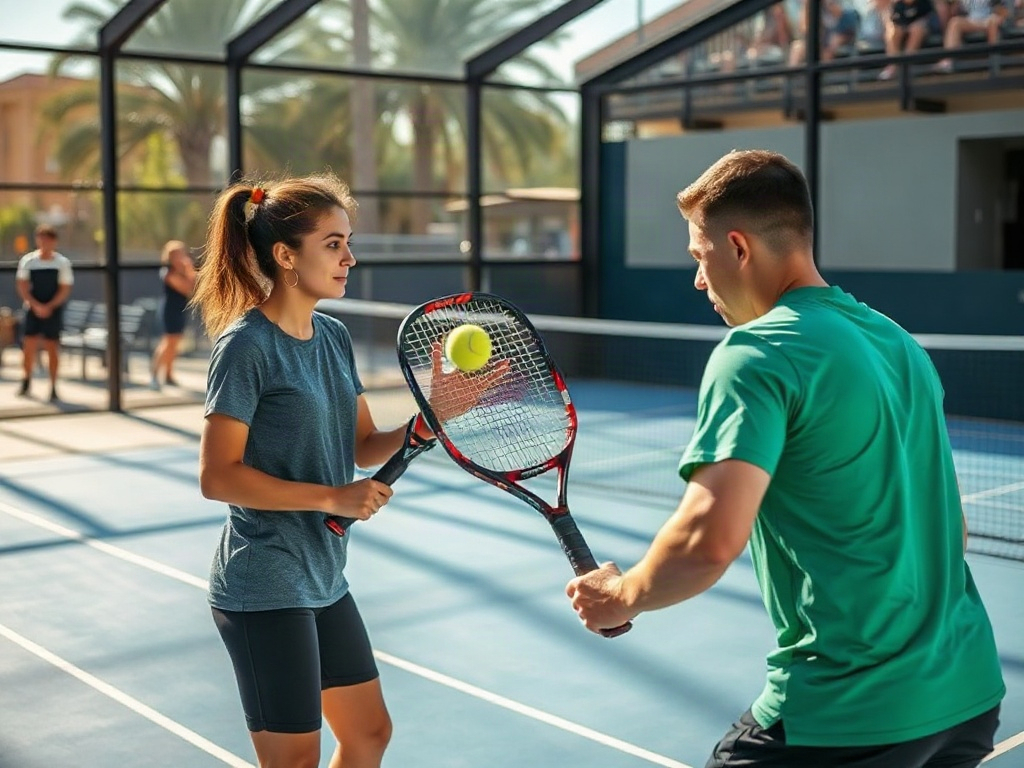
Padel is a racket sport played on an enclosed court, usually in doubles, where the ball can bounce off glass and mesh walls after hitting the ground. The scoring system will feel familiar if you have ever played tennis, but the movement, tactics, and equipment are distinct enough to give padel its own identity. What makes it especially appealing is that long rallies happen more often, which means beginners get more chances to stay involved and enjoy the game. Because the court is smaller and the serve is underhand, the pace tends to be more manageable for new players. It is also a highly social sport, which is why many people pick it up with friends, family, or coworkers. If you are looking for something active that is fun without being overly technical at the start, padel is a strong match.
Padel Court and Basic Setup
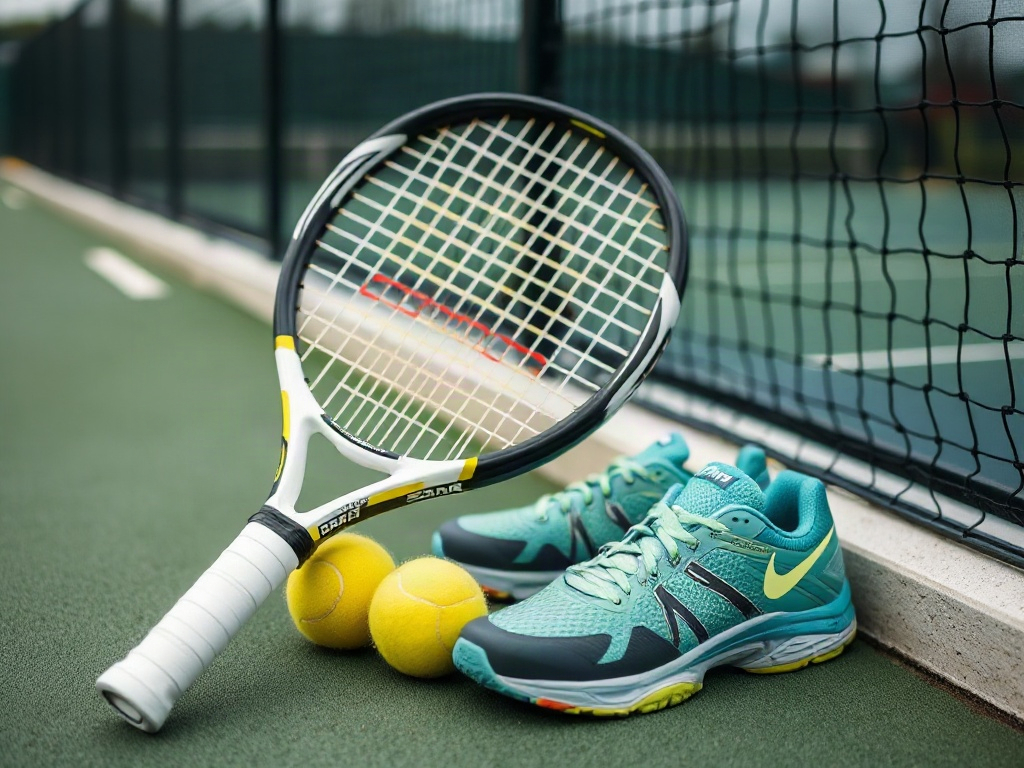
A padel court is rectangular and enclosed, with glass walls at the back and part of the sides, plus mesh fencing in the remaining sections. The net divides the court into two halves, and the playing area is designed to keep the ball in play far longer than on a standard open court. Most matches are played as doubles, which means teamwork matters from the beginning, even if your first goal is simply to make clean contact. The walls are not obstacles in the usual sense; instead, they are an active part of the rally and can be used strategically once the ball has bounced. Understanding the layout helps you move with more purpose, especially when deciding where to stand during serves, returns, and defensive shots. Once the court structure makes sense, the rest of the game becomes much easier to read.
To understand padel, it helps to break the court into a few important zones that influence how points are played. The service boxes are where the serve must land, and they create a clear target area that shapes the opening of each point. The baseline is the back boundary of the court, and it often becomes the place where players defend against deep shots and wall rebounds. Side walls can be used tactically, but only after the ball has bounced on your side of the court, which is one of the most important rules for beginners to remember. The space near the net is where attacking opportunities usually happen, so players often try to move forward after a strong return or an effective lob. Learning these areas early gives you a practical map of the court rather than just a general idea of where to stand.
Padel Rules for Beginners
The basic objective in padel is simple: win points by making the ball land in your opponents’ court in a way they cannot return legally. Scoring works in a tennis-like format, and most players quickly recognize the rhythm of love, 15, 30, 40, and game. A serve must be hit underhand, after a bounce, and diagonally into the correct service box, which keeps the opening of each point controlled and fair. Once the ball is in play, it may rebound off the glass or fence after bouncing on the court, but it cannot hit the wall or fence before the bounce. This creates a very different rhythm from tennis and makes patience and positioning more valuable than raw power. Beginners who learn the basic sequence of serve, bounce, wall interaction, and return will already be able to follow most casual matches.
The serve in padel is one of the easiest parts of the sport to understand, but it is also where many beginners make early mistakes. The server must keep at least one foot behind the service line and strike the ball below waist height, which prevents overly aggressive tennis-style serving. The ball must bounce once before contact and then land diagonally in the opposite service box without touching the fence first. If the ball clips the net but still lands correctly, it is usually a let and the serve is replayed, which gives players another chance to start the point cleanly. A serve that lands outside the service box, hits the fence first, or is struck incorrectly is considered a fault. Keeping your serve simple, controlled, and consistent is usually more effective than trying to force pace.
Essential Padel Equipment
You do not need a long shopping list to get started with padel, which is one reason beginners find it approachable. The core essentials are a padel racket, padel balls, and shoes that offer good grip on court surfaces. A racket for padel is solid rather than strung, so it feels different from a tennis racket and produces a different type of contact. Padel balls look a lot like tennis balls, but they are slightly lower in pressure, which affects how they bounce and travel. Proper footwear matters more than many beginners realize because the court surface demands quick lateral movement and stable footing. If you choose the right gear from the start, you will make learning easier and reduce the risk of discomfort or sloppy movement.
| Item | What to Look For | Why It Matters |
|---|---|---|
| Padel racket | Light to medium weight, beginner-friendly round shape | Helps with control and easier ball placement |
| Padel balls | Lower-pressure balls made for padel | Ensures correct bounce and match play feel |
| Padel shoes | Good grip, lateral support, durable sole | Improves movement and reduces slipping |
| Clothing | Breathable, flexible sportswear | Allows easy movement during rallies |
Padel Racket
For beginners, the best racket is usually one that prioritizes control over power because control helps you build confidence faster. Many beginner rackets are round-shaped, which gives them a larger sweet spot and makes clean contact easier. Weight also matters, since a lighter racket tends to feel more manageable when you are learning how to time volleys, lobs, and wall rebounds. Balance is another useful feature to understand, because a lower balance can make the racket feel steadier and less tiring during longer rallies. You do not need the most expensive model to enjoy your first games, but you do want a racket that feels comfortable in your hand and stable on contact. Choosing a beginner-friendly racket can make a dramatic difference in how quickly you improve.
Padel Balls and Shoes
Padel balls are designed to complement the sport’s shorter court and wall-based style of play, so they should not be swapped casually with any random ball. They resemble tennis balls in appearance, but their reduced pressure affects speed and bounce in a way that fits padel better. Shoes are just as important as the ball, especially because you will be moving side to side, braking quickly, and recovering constantly. Good padel or court shoes provide traction without making you feel stuck, which helps with stability during fast direction changes. If you use the wrong footwear, you may struggle with balance or feel less secure when chasing awkward rebounds. Investing in the right shoes early can improve both comfort and confidence.
How to Play Your First Padel Game
Your first padel game should not be about perfect technique; it should be about getting comfortable with the flow of the sport. Before the match, take a few minutes to look at the court, test your racket grip, and warm up with gentle hits if possible. When the game begins, focus on keeping the ball in play rather than trying to finish points with force, because padel rewards patience and smart positioning. Try to communicate clearly with your partner, especially when deciding who takes the middle ball or who covers a lob. After the serve and return, settle into a basic position and let the rally develop instead of rushing every shot. Once you accept that mistakes are part of the learning process, your first game becomes much more enjoyable and much less intimidating.
- Stand ready with bent knees and soft hands so you can react quickly.
- Use simple shots with controlled height instead of aiming for difficult winners.
- Watch the ball after the bounce, especially when it may rebound off a wall.
- Move with your partner so gaps do not open up between you.
- Stay patient during long rallies and wait for a better attacking ball.
As the rally develops, try to notice how the court starts to shape your decisions. Balls that look out of reach in tennis may still be playable in padel because the walls can slow the game down and create a second chance. That does not mean every ball should be chased blindly, since good positioning is often more valuable than desperate movement. A simple return cross-court, a gentle lob, or a controlled volley can be enough to reset the point in your favor. If you and your partner begin to move together, your defensive shape will feel much stronger and your attacking opportunities will appear more naturally. The goal in your first game is not mastery, but rhythm, and rhythm is what makes padel addictive.
Common Beginner Mistakes to Avoid
Many first-time players make the same mistakes, and the good news is that most of them are easy to fix once you notice them. One common issue is standing too close to the net without a good reason, which can leave you vulnerable to lobs and force awkward recovery steps. Another frequent error is relying too heavily on power, even though controlled placement often wins more points in padel than hard hitting. Beginners also tend to misread wall rebounds, especially when the ball comes off the glass at an angle that feels unexpected. Communication problems with a partner can create confusion, missed balls, and unnecessary pressure during rallies. If you can avoid these habits early, you will improve faster and enjoy the sport more.
- Do not swing as hard as possible on every shot.
- Do not ignore the walls, since they are part of the game.
- Do not leave your partner stranded in the middle of the court.
- Do not rush the serve return without reading the bounce.
- Do not stay flat-footed after your shot; recover into position quickly.
Tips to Improve Faster
The fastest way to get better at padel is to build consistency before chasing advanced tactics. Short practice sessions that focus on clean contact, controlled serves, and simple returns will often help more than trying flashy drills too early. Watching experienced players can also accelerate your learning because you start to see where they stand, how they move, and why they choose certain shots. Try to develop a habit of recovering to a good position after every shot, since movement and anticipation matter just as much as technique. Playing with stronger partners can be incredibly useful too, as long as you are willing to observe and learn rather than worry about mistakes. Improvement in padel usually comes from repetition, patience, and better decisions, not from trying to dominate every rally.
- Practice your underhand serve until it lands consistently in the service box.
- Work on soft volleys and controlled lobs instead of only hard drives.
- Ask a more experienced player to explain wall rebounds and positioning.
- Focus on hitting the ball back into play rather than aiming for winners.
- Review your matches mentally and notice recurring mistakes or weak spots.
Итог
Padel is easy to start, but that simplicity is what gives the sport its depth and charm. Once you understand the court, the serve, the walls, and the basic gear, you can begin playing with far more confidence than most beginners expect. The first game may feel a little chaotic at times, yet that is part of the fun and part of the learning process. What matters most early on is not perfection, but comfort, awareness, and a willingness to keep the ball alive. With the right equipment and a clear understanding of the rules, you can step onto the court ready to enjoy the experience instead of just surviving it. As you keep playing, you will find that padel becomes less about memorizing rules and more about enjoying a sport that rewards smart play, teamwork, and quick adaptation.
Часто задаваемые вопросы
- What are the basic rules of padel? Padel is usually played as doubles, the serve must be underhand, and the ball is allowed to bounce off the walls after it has bounced on the ground. Scoring follows a tennis-style system, and points are won when opponents fail to return the ball legally. The court walls are part of normal play, which makes positioning and anticipation especially important. Beginners usually learn fastest by focusing on serve, return, and wall rebounds first.
- Do beginners need special equipment for padel? Yes, you need a padel racket, padel balls, and shoes that are suitable for court movement. The racket is solid rather than strung, which makes it different from a tennis racket. Padel balls are also slightly different from tennis balls because they are designed for the sport’s bounce and pace. Good shoes are important because they help with grip, stability, and side-to-side movement.
- Is padel easier than tennis for beginners? Many people find padel easier to start because the court is smaller and the serve is underhand. The walls also keep rallies going, which means beginners often get more chances to hit the ball. That does not mean padel is simple at higher levels, but the entry point is often less intimidating than tennis. The game rewards control and teamwork, which helps new players feel involved quickly.
- Can you play padel one-on-one? Yes, padel can be played as singles in some settings, but doubles is the standard format and the one most courts are designed for. Doubles play is more common because it makes the game flow better and uses the court dimensions in the intended way. If you are just starting out, doubles is usually the best way to learn. It also gives you more opportunities to practice communication and positioning with a partner.
- How long does it take to learn padel? Most beginners can understand the rules and enjoy a casual match after one or two sessions. Learning the basics is quick, but becoming comfortable with walls, positioning, and tactical play takes more time. The good news is that progress often feels fast because rallies last longer and you get many touches on the ball. With regular play, most beginners notice improvement sooner than they expect.