


Padel looks casual from the outside, but the pace of a real rally tells a different story. One moment you are waiting near the baseline, and the next you are exploding into a side step, reaching low for a volley, or pivoting to recover after a rebound off the glass. That is exactly why a short warm-up matters so much, even for recreational players who are only heading out for a friendly match. A smart pre-match routine does not need to be complicated, tiring, or time-consuming. It simply needs to wake up the muscles, sharpen coordination, and prepare the body for the stop-start rhythm that makes padel both fun and demanding. In just 10 minutes, you can make the first game feel smoother, safer, and far more controlled.
If you usually arrive at the court, pick up your racket, and start playing within a minute or two, you are not alone. Many recreational players do the same thing because they want to save time or because they assume a casual match does not require preparation. The problem is that cold muscles and stiff joints tend to react poorly to sudden changes in direction. That can mean slower reactions, less clean footwork, and a higher risk of minor strains or awkward movements. A brief warm-up gives your body a gradual ramp-up instead of forcing it to switch instantly from rest to competition. It also helps you feel more confident at the net, more balanced in defense, and more ready to enjoy the match from the first point.
For this routine, think of the warm-up as a sequence rather than a workout. The goal is not to tire yourself out before the first serve. Instead, you want to move through a series of simple actions that increase body temperature, improve mobility, and activate the main muscles used in padel. If you have a partner, you can make some of the drills feel more game-like, but this routine also works perfectly on your own. Each section builds on the one before it, so the transition from walking onto the court to playing the opening rally feels natural. By the end, your body should feel awake rather than exhausted, loose rather than sloppy, and mentally switched on rather than distracted.
Why Warm-Up Matters in Padel
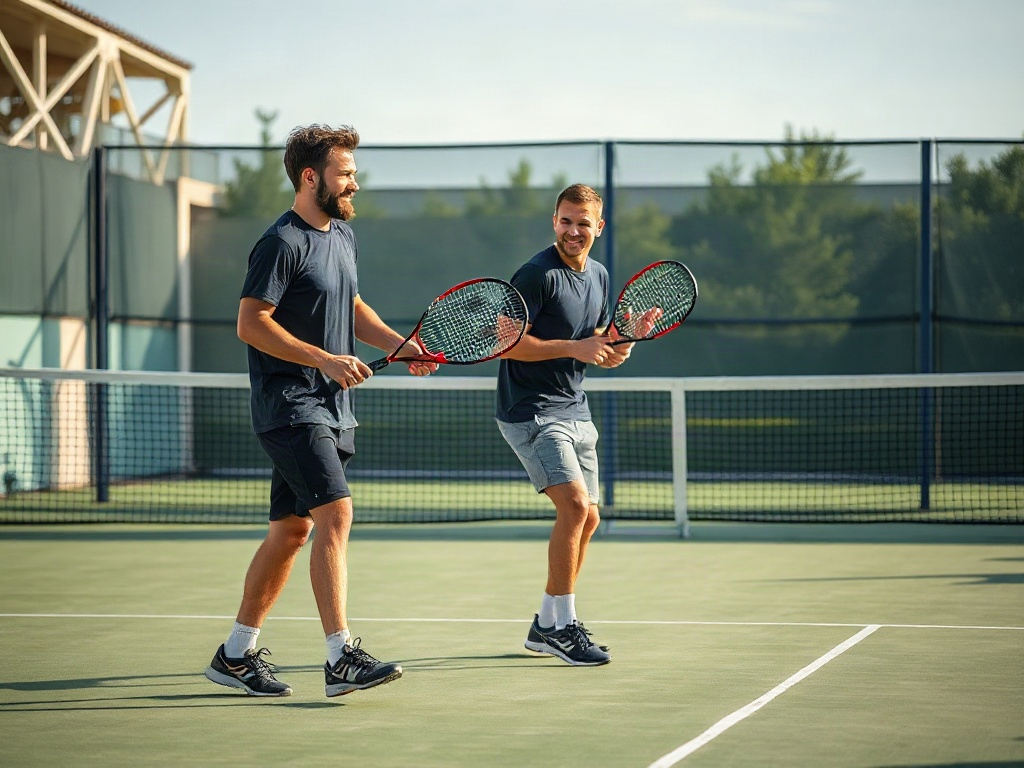
Padel asks a lot from the body in a very short period of time. You are constantly reacting to the ball, accelerating into small spaces, braking suddenly, and rotating through the hips, shoulders, and trunk. Unlike steady cardio activities, padel depends on repeated bursts of movement that challenge balance and timing as much as endurance. That means the warm-up should prepare not only your legs, but also your core, shoulders, and feet. A good warm-up can improve how quickly you move into position and how smoothly you recover after each shot. It also helps your body feel more responsive, which often leads to better decision-making under pressure.
Skipping this step may not cause an injury every time, but it often shows up in subtle ways. The first few points can feel awkward, your reactions may be a fraction slower, and your movements might look sharper than they feel. Recreational players sometimes assume they will “warm up during the match,” but by then the opening points have already been played. A proper routine gives you a head start before the scoring begins. It is especially useful on colder days, after long periods of sitting, or when you have not played for a week or more. Even a short warm-up can make the difference between feeling rusty and feeling ready.
What You Need Before You Start
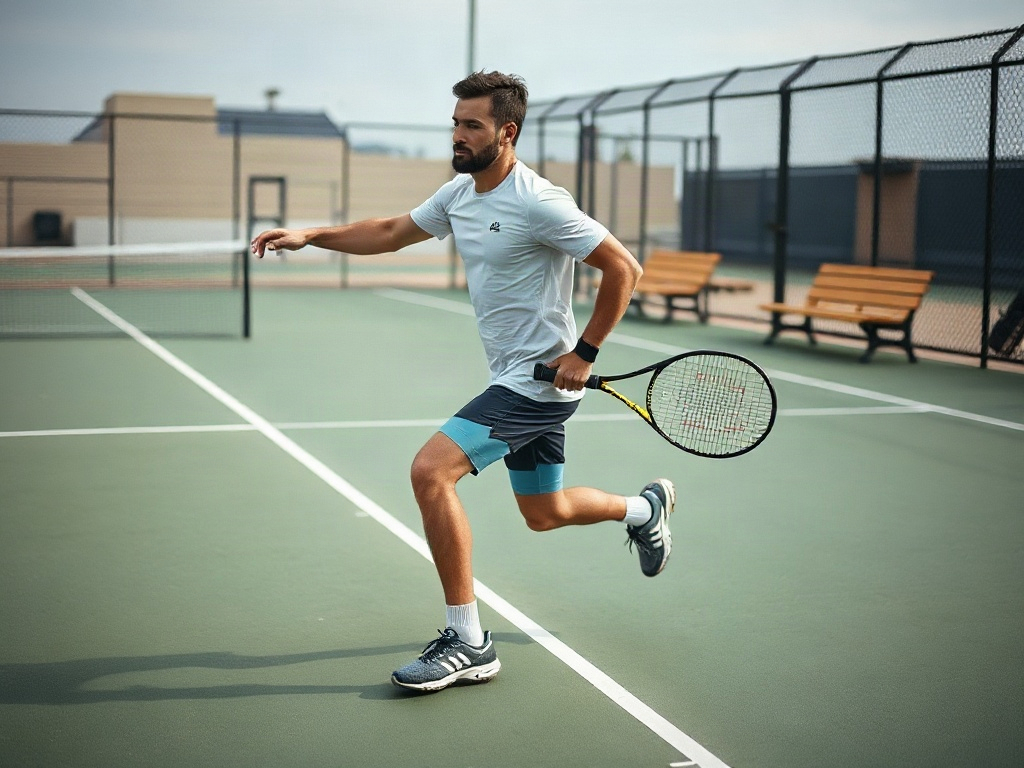
One of the best things about this warm-up is that it requires very little. You do not need special equipment, a gym, or a long area away from the court. A small space beside the padel court is enough, as long as you can move freely without colliding with other players. Comfortable sports clothing and proper padel shoes are ideal because they allow for quick lateral movement and stable footing. If you are arriving in cold weather, it helps to keep a light layer on during the first part of the routine. The less friction there is between you and the warm-up, the more likely you are to do it consistently.
- A little open space near the court
- Comfortable sportswear that allows free movement
- Padel shoes with enough grip for side-to-side work
- A racket, if you want to include shadow swings or ball-feel drills
- A partner, only if you want a few easy passing or reaction exercises
It also helps to think about the warm-up as a moment of transition. You are moving from daily life into sport, and that shift deserves a few minutes of attention. If your shoulders feel tight, your hips feel stiff, or your ankles need extra attention, you can slightly extend the relevant section of the routine. The main objective is to feel prepared, not to check off a rigid sequence with no adjustment. Some players need a little more mobility, while others need more movement and less stretching. A flexible mindset makes the routine more practical and easier to repeat before every match.
The 10-Minute Padel Warm-Up Routine
This routine is designed to be simple, efficient, and realistic for recreational players. It progresses from general movement to more specific padel actions, which is the most effective way to prepare the body. Start with light cardio, then move into mobility, then activate the lower and upper body, and finish with padel-specific movement. The order matters because it lets your muscles and joints wake up in layers rather than all at once. If you stay relaxed and controlled, the warm-up should feel smooth and unforced. By the final minute, you should be moving in a way that resembles the demands of the match itself.
Minutes 1 to 2: Light Cardio
Begin with easy movement that raises your heart rate without creating fatigue. Jog lightly around the court, move side to side, or use quick shuffles at a relaxed pace. The aim is to increase blood flow and gently raise body temperature, not to test your conditioning. Keep your breathing controlled and your shoulders loose while you move. If you feel stiff at first, that is normal, and it usually fades once the body gets going. This first phase should feel almost too easy, because that is exactly the point.
- Easy jog around the court perimeter
- Side shuffles in both directions
- Gentle bounce steps on the spot
- Relaxed arm swing while moving
Minutes 3 to 4: Dynamic Mobility
Now that your body is warmer, shift into movements that loosen key joints. Dynamic mobility works better than holding still because it prepares you for action while still encouraging range of motion. Focus on the shoulders, hips, ankles, and legs, since these areas are heavily involved in padel movement patterns. Keep the motions smooth and controlled, and avoid forcing anything beyond a comfortable range. The goal here is to become freer, not looser in a way that feels unstable. If you do this well, your movement will feel more fluid in the opening rallies.
- Arm circles forward and backward
- Hip rotations in both directions
- Controlled leg swings front to back
- Ankle circles for each foot
| Warm-Up Element | Main Purpose | Padel Benefit |
|---|---|---|
| Light cardio | Raises body temperature | Helps you move more quickly in the first points |
| Dynamic mobility | Improves joint movement | Makes reaching, turning, and recovering feel easier |
| Lower-body activation | Wakes up legs and glutes | Supports better balance and lateral push-off |
| Padel-specific movement | Prepares game patterns | Makes the match feel more natural from the start |
Minutes 5 to 6: Lower-Body Activation
Padel is full of quick changes in direction, so your legs need to be ready to push, brake, and stabilize. This part of the warm-up activates the muscles that matter most for movement efficiency, especially the quads, glutes, calves, and inner thighs. Use bodyweight exercises that are clean and controlled rather than fast and sloppy. The idea is to remind the body how to produce force without creating fatigue before play begins. A few good repetitions are enough to switch on the lower body. Once these muscles are awake, your footwork usually becomes more responsive.
- Bodyweight squats with controlled tempo
- Walking lunges with upright posture
- Calf raises on both feet
- Short lateral lunges from side to side
Pay attention to how your knees, hips, and ankles feel as you move. If something feels unusually tight, reduce the range slightly and keep the motion smooth. This is not the time to force depth or speed. It is better to perform a smaller, cleaner movement than a larger one that feels unstable. Recreational players often benefit from simplicity here because consistency matters more than intensity. The more natural the movement feels, the more useful it will be once the match begins.
Minutes 7 to 8: Upper-Body and Core Prep
Although padel often feels like a lower-body sport, the upper body plays a major role in racket control, balance, and rotation. Your shoulders, upper back, and core help stabilize your swings and support fast reactions at the net. This section should wake up your trunk without creating tension in the neck or arms. Movements such as torso twists, shoulder rolls, and light plank work can make a noticeable difference in how stable your shots feel. The goal is to prepare the body for rotation and control rather than strength. When the core and shoulders are ready, your swings usually feel more connected and less mechanical.
- Perform controlled torso twists from side to side
- Roll the shoulders forward and backward
- Hold a short plank or forearm plank for core engagement
- Activate the shoulder blades with gentle retraction movements
Minutes 9 to 10: Padel-Specific Movement
This final phase bridges the gap between warm-up and actual play. You are now ready to include movements that resemble what you will do during the match, such as split steps, quick lateral recovery, and short stop-start actions. If you have a partner, a few easy rallies can be ideal because they help your timing and racket feel settle in. If you are alone, shadow swings and footwork patterns work very well. The purpose is to make the first real point feel like a continuation of the warm-up rather than a sudden jump into competition. Keep the intensity moderate and the focus sharp.
- Practice split-step timing before imaginary shots
- Do short sprint-and-stop movements
- Move side to side near the net
- Take easy shadow swings or light rally shots
Common Warm-Up Mistakes to Avoid
Even a short routine can lose its value if it is rushed or misused. One of the most common mistakes is starting with high-intensity sprints before the body is prepared. That can create unnecessary tension and may make you feel tight before the match even begins. Another frequent error is using long static stretches right before play, which can leave you feeling less reactive rather than more ready. Some players also skip the upper body entirely and focus only on the legs, even though padel demands coordinated movement from head to toe. A warm-up works best when it is gradual, balanced, and specific to the sport.
There is also a mental side to warm-up mistakes. If you move through the routine too quickly, your body may be physically present but not mentally engaged. The warm-up should give you a few quiet moments to settle in, look at the court, and shift into game mode. That mental shift is especially useful for recreational players who often go straight from conversation to competition. A thoughtful routine does more than loosen muscles. It also helps you focus on your positioning, your first touch, and your overall rhythm before points start counting.
- Do not begin with intense sprinting
- Avoid long static stretches before the match
- Do not ignore shoulders, core, and upper back
- Do not rush through the sequence without purpose
Tips to Make the Warm-Up More Effective
The best warm-up is the one you actually repeat, so practicality matters. Keep the movements smooth, simple, and easy to remember. If you know the weather will be cold, give yourself a little extra time for the cardio and mobility sections. If you feel stiff from sitting at a desk or driving to the club, spend a little longer on hips, ankles, and shoulders. You do not need a perfect routine; you need a reliable one that works under real-life conditions. That is what makes it useful for recreational players who want consistency without complexity.
It also helps to use the warm-up as a performance cue. Think about where you want to be moving well in the opening points, whether that is defending deeper in the court, closing the net with confidence, or staying balanced on volleys. The routine becomes more effective when you connect it to actual match situations. You can even make a quiet checklist in your head: breathe, move, rotate, react, and settle into the match. Small habits like these can improve focus more than people expect. Over time, the warm-up becomes part of your playing identity rather than just a pre-match task.
- Keep the routine smooth and repeatable
- Adjust intensity based on the weather and your stiffness level
- Use the warm-up to focus mentally, not just physically
- Connect each movement to an actual padel action
Итог
A 10-minute warm-up is enough to make a real difference for recreational padel players. It prepares the muscles, wakes up the joints, and helps you enter the match with better timing and confidence. More importantly, it reduces the chances of starting cold and feeling off during the opening points. The routine does not need to be fancy to be effective, and it does not need to leave you tired to be useful. What matters most is that it gets your body ready for the specific demands of padel. If you repeat it regularly, it can become one of the simplest performance habits in your game.
The best part is that this routine is realistic enough to use before almost every match. You do not need special equipment, you do not need a long warm-up area, and you do not need advanced fitness to do it well. A few minutes of light cardio, mobility, activation, and sport-specific movement can prepare you better than jumping straight into play. For recreational players, that means a better start, smoother movement, and a more enjoyable experience on court. Over time, consistency matters more than perfection, and this warm-up makes consistency easy. If you want to play with more comfort and control, this is a habit worth keeping.
Часто задаваемые вопросы
- Do I need to warm up if I only play casually?
Yes, even casual players benefit from a warm-up because padel involves fast starts, stops, and changes of direction. A short routine helps your body handle those movements more comfortably. It can also improve your timing early in the match. That makes the opening points feel smoother and more controlled. For recreational players, it is one of the easiest ways to reduce avoidable strain. - Should I stretch before padel?
Dynamic stretching is the better choice before playing because it prepares the body for movement. Static stretching is usually more appropriate after the match, when the goal is to relax and recover. Before padel, focus on controlled motion rather than long holds. That approach helps your muscles feel awake rather than sleepy. It also fits the explosive nature of the sport. - Can I warm up in less than 10 minutes?
Yes, you can shorten it if needed, but 10 minutes is a very practical minimum for most players. It gives you enough time to raise body temperature and activate the main movement patterns. If you only have a few minutes, prioritize cardio, mobility, and one or two padel-specific drills. Even a shorter routine is better than none. The key is to stay focused and avoid rushing. - What if I feel stiff before starting?
Spend a little longer on the first few minutes of the warm-up and keep the movements easy. Light cardio and dynamic mobility usually help reduce stiffness quickly. Pay extra attention to the hips, ankles, shoulders, and calves. If something still feels tight, reduce the range and keep moving gently. The body often loosens up once it gets a little time and rhythm. - Is this warm-up suitable for beginners?
Yes, this routine is simple, safe, and ideal for beginners and recreational players. It does not rely on advanced drills or high-intensity movements. Instead, it uses basic actions that prepare the body for padel in a sensible way. That makes it easy to learn and repeat before each match. It is a strong starting point for anyone who wants to play more comfortably.