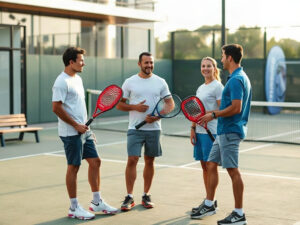

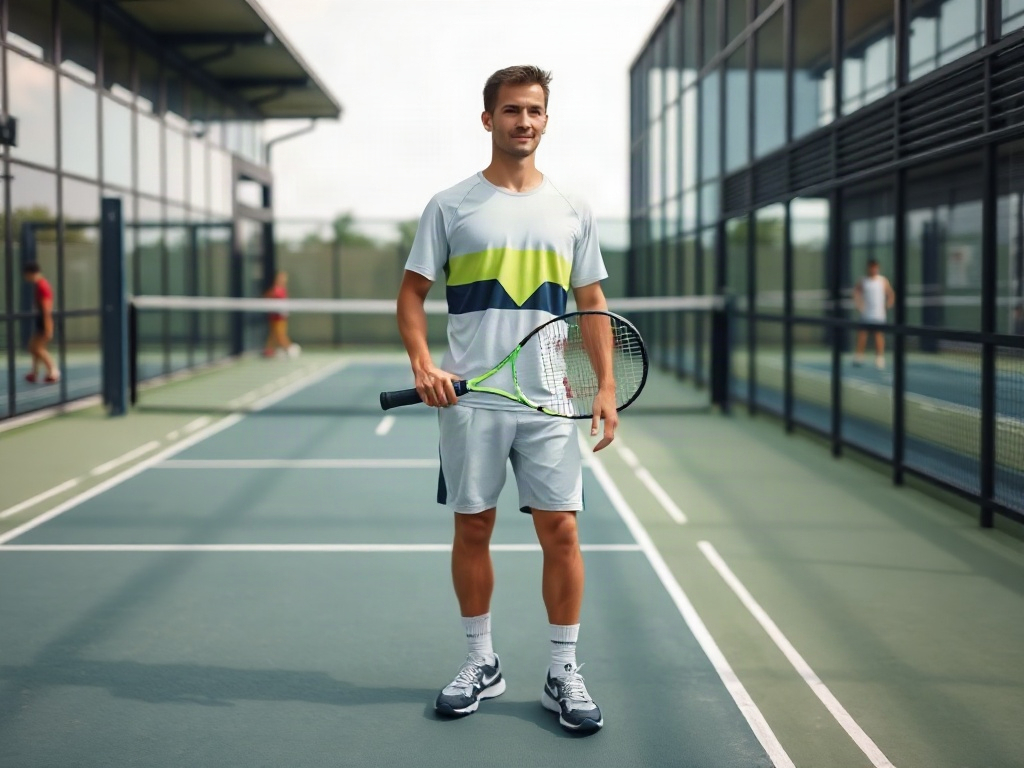
Padel has a way of making first-time players feel both instantly hooked and slightly unprepared, and the outfit you choose can shape that experience more than you might expect. The game is energetic, fast-changing, and full of quick pivots, so what feels fine for a casual walk or gym session may suddenly feel restrictive on court. The right clothing helps you move naturally, stay cooler, and avoid distractions when the pace picks up. Footwear matters just as much, because padel asks for stability, grip, and side-to-side confidence that ordinary trainers often do not provide. If you are heading to your first session, the goal is not to look overly technical or specialized, but to wear pieces that support movement from the first serve to the final rally. A thoughtful choice now can make the game more enjoyable before you even learn the finer points of technique.
Padel clothing is less about strict uniform rules and more about practical comfort that matches the demands of the sport. You want fabrics that breathe, shapes that flex, and shoes that respond well to sudden stops and direction changes. That does not mean you need to buy a full new wardrobe just to start, because many athletic basics already work well if they are the right kind. Still, some items perform far better than others, especially when sweat, heat, and lateral movement come into play. The best approach is to keep your outfit simple, lightweight, and court-friendly. Think of it as dressing for movement first and style second, while still choosing pieces you feel confident wearing.
Choosing Clothing That Works With the Game
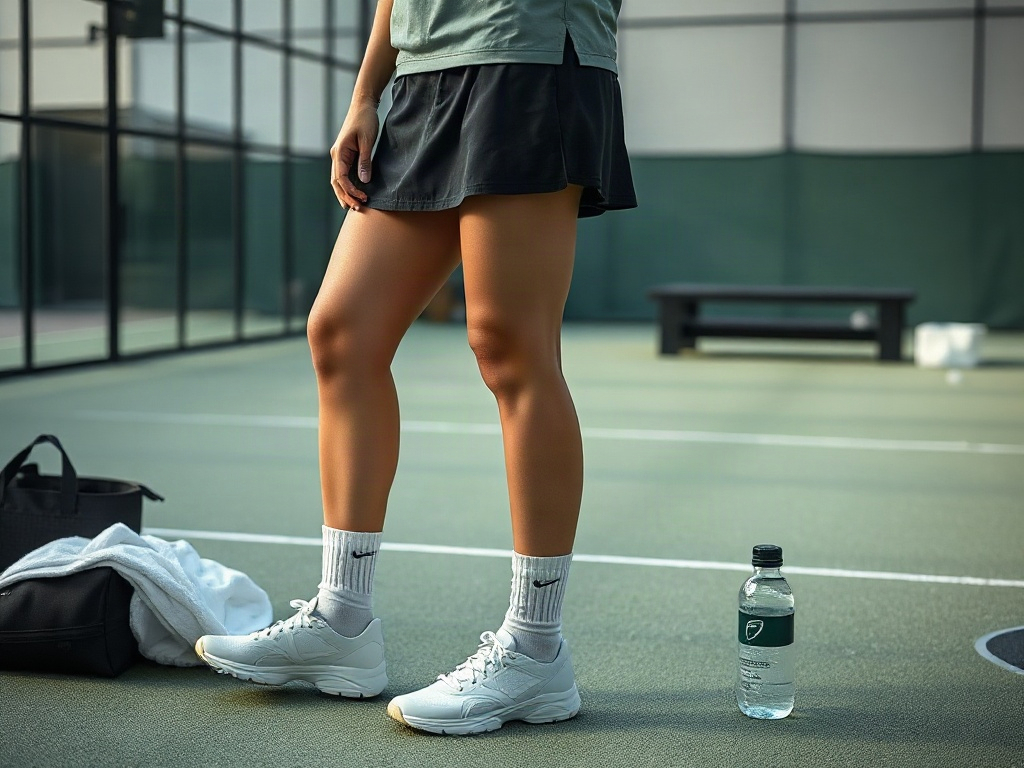
The most useful padel clothing supports three things at once: ventilation, flexibility, and freedom of motion. The game includes quick sprints, reaching volleys, and low defensive shots, so clothing should never pull, cling, or weigh you down. Breathable fabrics help manage heat, while stretch content keeps your range of motion open during swings and lunges. A well-chosen outfit also reduces the need to keep adjusting your clothes mid-rally, which is more important than many beginners realize. Once you start moving at match speed, every minor distraction becomes noticeable. That is why simple, performance-oriented pieces usually beat heavier casual wear.
When in doubt, look for clothing designed for tennis, training, running, or other active sports, since these usually share many of the same performance benefits. The ideal choices do not have to be expensive, but they should be made from materials that dry quickly and move with your body. Cotton-heavy items can feel comfortable at first, yet they tend to retain moisture and become heavy when you sweat. Overly baggy clothing may seem relaxed, but it can get in the way during quick turns or overhead strokes. On the other hand, excessively tight items can restrict your stride and swing. Balance is the key, and the best outfits usually sit somewhere between the two extremes.
For tops, lightweight moisture-wicking shirts are usually the safest and most comfortable choice for a first padel session. Short-sleeve athletic tees are a popular option because they offer a good mix of coverage, ventilation, and ease of movement. Sleeveless tops can be a smart choice in hot weather if you prefer maximum airflow, though some players like the extra coverage of a short sleeve for comfort and sun protection. Lightweight long-sleeve performance tops can also work well in cooler conditions or outdoor settings where you want a little more warmth without feeling bulky. The main goal is to avoid anything that traps heat or stays damp for too long. If you are playing early in the day or in changing weather, a thin layer you can remove after warming up is often a practical solution.
- Choose breathable, quick-drying fabrics over heavy cotton.
- Pick a fit that allows full shoulder rotation for overhead shots.
- Use a lightweight layer if the weather may change during your session.
- Avoid shirts with bulky seams that can rub during repeated movement.
Bottoms That Let You Move Freely
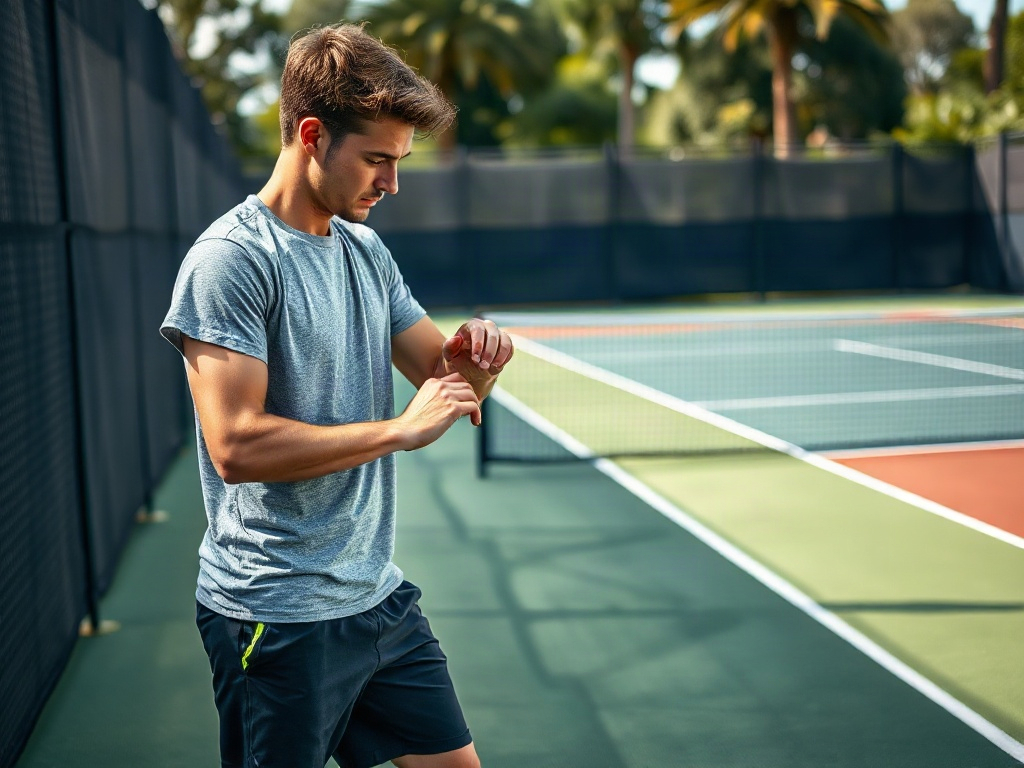
Bottoms should support quick footwork without limiting your stride, crouch, or recovery step. For many players, athletic shorts are the easiest and most versatile choice, especially if they have a comfortable waistband and enough stretch for lunges. Skirts and skorts are also common in padel, particularly for players who prefer a lighter feel and a more traditional court-sport look. Training leggings or lightweight pants may work in cooler weather, but they should be flexible enough to allow unrestricted movement. A good fit matters here because bottoms that ride up, slip down, or bunch at the thighs become noticeable very quickly during rallies. The most useful option is usually the one you can forget about once the match starts.
It also helps to think about the type of movement padel demands, because the sport rewards small adjustments and quick reactions rather than long running strides. You may be dropping low for a lob, turning suddenly for a wall rebound, or recovering from the glass in a split second. That means your clothes need to stay put while still giving you enough room to bend, twist, and accelerate. Lightweight stretch materials are particularly useful because they let you move without feeling compressed. If you prefer a looser fit, make sure it is not so loose that the fabric becomes distracting. Comfort should feel secure, not sloppy.
| Item | Best For | What to Look For |
|---|---|---|
| Moisture-wicking shirt | Hot or indoor sessions | Breathability, quick-dry fabric, soft seams |
| Athletic shorts | Most beginner players | Stretch, secure waistband, easy movement |
| Skort or skirt | Players wanting lighter coverage | Built-in support, comfort, freedom of motion |
| Lightweight training pants | Cooler weather | Flexible fabric, tapered fit, minimal bulk |
Some clothing choices create unnecessary friction on court, even if they seem fine in everyday life. Heavy fabrics can trap sweat and make you feel sluggish, especially in warm indoor or outdoor conditions. Jeans and stiff casual clothing are poor choices because they restrict movement and can feel awkward during low shots and quick changes of direction. Cotton-heavy shirts may be tolerable for a short warm-up, but they often become uncomfortable once you begin sweating. Items with bulky zippers, rough seams, or rigid panels can also irritate the skin when you move repeatedly. The simplest rule is to avoid anything that makes you think about your clothing instead of the point you are trying to win.
- Avoid denim, stiff chinos, or non-sport fabrics.
- Skip oversized pockets or hard hardware that can dig in while moving.
- Do not rely on thick cotton if you expect to sweat.
- Choose garments that feel smooth against the skin during quick turns.
Footwear: The Most Important Choice for Beginners
Footwear is the piece of your outfit that can change the quality of your first session the most. Padel courts reward lateral movement, short bursts of speed, and controlled stops, so your shoes need to support all of that without sliding around. Running shoes are common in general fitness, but they are designed primarily for forward motion, not the side-to-side demands of court sports. That difference matters because a shoe that feels cushioned for jogging may feel unstable when you try to change direction quickly. Good padel shoes should give you grip on the court surface, support around the sides of the foot, and enough durability to handle repeated abrasion. If you are serious about enjoying the game from the start, shoes deserve just as much attention as clothing.
The outsole is especially important because padel courts often use artificial turf with sand, which changes how traction feels underfoot. The best padel shoes usually have a pattern that helps you slide just enough for controlled movement while still preventing unwanted slips. Stability features matter too, especially near the midfoot and heel, because those areas help keep your foot secure during fast pivots. Cushioning should be comfortable, but not so soft that you lose responsiveness. Durability is another practical point, since court surfaces can wear shoes down faster than casual wear would suggest. A proper padel shoe gives you confidence to focus on the rally instead of worrying about your footing.
Padel shoes and tennis shoes may look similar at a glance, but they are designed with different movement patterns in mind. Padel shoes often emphasize more precise grip and court feel, especially for the compact, reactive footwork that defines the sport. Tennis shoes can sometimes serve as a temporary alternative, particularly if they already offer strong lateral support and a suitable outsole. However, a padel-specific shoe is usually the better option because it is built with the surface and movement style in mind. If you are going to keep playing, that difference becomes more valuable over time. For a first session, the main priority is to avoid anything that feels unstable or too slippery.
- Padel shoes are built for quick lateral movement and court grip.
- Tennis shoes may work temporarily if they offer strong support and traction.
- Running shoes are generally not ideal because they lack side-to-side stability.
- Choosing the right outsole helps you adapt to sandy or synthetic court surfaces.
Socks, Accessories, and Small Extras
Socks may seem like a minor detail, but they influence comfort more than most beginners expect. Moisture-wicking socks help reduce slipping inside the shoe and can make long sessions feel more stable. They also reduce the chance of irritation from friction, especially if your shoes are still fresh and not fully broken in. Some players prefer slightly cushioned sports socks for extra comfort, while others choose thinner versions for a closer fit. The best pair is usually the one that keeps your feet dry and secure without bunching up. Since footwork is so important in padel, even small improvements in comfort can make a real difference.
Accessories are optional, but the right ones can make your session easier and more enjoyable. A cap or visor can help outdoors by cutting glare and managing sun exposure. Wristbands may be useful if you sweat a lot, particularly during warm conditions or intense rallies. A small towel and a water bottle are practical essentials, even though they are not technically part of your outfit. Some players also like a spare shirt in case the weather changes or the session becomes more intense than expected. None of these items is mandatory, but they can help you feel better prepared.
- Bring moisture-wicking socks to reduce sweat and friction.
- Pack a water bottle to stay hydrated throughout the session.
- Consider a cap, visor, or wristbands if you play in warm weather.
- Keep a spare shirt or light layer nearby for comfort after warm-up.
Dressing for the Weather and the Venue
The best padel outfit changes slightly depending on whether you are playing indoors, outdoors, in warm weather, or in cooler conditions. In hot weather, lightweight and highly breathable clothing should be your default because it helps you stay comfortable through longer rallies and rest periods. Dark, heavy, or non-technical fabrics tend to hold heat, so lighter materials are usually more effective. In cooler conditions, layering is the smarter approach, because you can warm up without overdressing once the match gets going. Outdoor play adds another layer of decision-making, especially if wind or sun might affect comfort during the session. It is usually better to dress for movement and then adapt with a layer than to start too warm and feel restricted.
If you are unsure, think about how long you will actually be on court and how quickly your body temperature will rise once the points begin. A light top that can be removed, a breathable base layer, and a shoe with reliable traction will solve most beginner needs. Outdoors, sun protection may matter as much as comfort, especially if your first session is scheduled for midday. Indoors, heat buildup is often the bigger issue, so moisture management becomes more important than protection from the elements. Weather should guide your choices, but it should not complicate them. The best outfit still feels simple once you are fully dressed and ready to play.
Tips for Your First Padel Session
Your first session is not the time to experiment with unfamiliar gear that may distract you. Prioritize comfort, security, and movement rather than trying to dress in a way that looks impressively technical. If possible, test your shoes and clothing in a short practice setting before a full match, because even a small fit issue can become annoying once you start moving quickly. Bring a bottle of water, and if the session is outdoors, consider sun protection that does not interfere with your vision or grip. Keep your outfit uncomplicated so you can focus on learning the rhythm of the sport. The less you have to think about what you are wearing, the more energy you can put into enjoying the game.
- Wear clothing that feels good the moment you start moving.
- Choose shoes with grip and lateral stability rather than casual cushioning.
- Test your outfit before your first full session if possible.
- Bring water and a backup layer if the weather could change.
Итог
What you wear for padel does not need to be complicated, but it should be chosen with the sport’s movement in mind. Breathable, flexible clothing helps you stay comfortable, while proper court shoes give you the grip and stability that ordinary sneakers usually cannot match. Socks, layers, and small accessories can make your session smoother, but they are most useful when they support rather than distract. If you focus on comfort, mobility, and court-ready footwear, you will already be ahead of many first-time players. That preparation makes it easier to enjoy the game, learn quickly, and move with more confidence from the first point onward. In padel, the right outfit will not improve your technique by itself, but it can remove barriers that keep you from playing your best.
Часто задаваемые вопросы
- What should I wear for my first padel session?
Wear breathable athletic clothing, comfortable shorts or a skort, and proper court shoes with good grip. The goal is to stay cool, move freely, and avoid anything that feels restrictive or slippery. Simple sportswear is usually enough for a beginner session. If you are playing outdoors, add sun protection or a light layer if needed. Comfort and mobility matter more than style trends. - Can I wear running shoes for padel?
Running shoes are not recommended because they are designed for forward motion rather than lateral movement. On a padel court, you need stability during side steps, quick stops, and sudden turns. Running shoes can feel unstable in those moments and may wear down quickly on court surfaces. If you have no other option for a single session, use them only as a temporary solution. A court-specific shoe is much better once you start playing regularly. - Do I need special padel shoes?
Special padel shoes are the best choice because they are made for the grip, support, and movement patterns of the sport. They help you feel more secure during rallies and can improve your confidence on the court. Tennis shoes can sometimes work as a short-term alternative if they offer the right support. However, padel-specific footwear is usually the most reliable option. If you expect to play more than once, investing in proper shoes is a smart move. - What fabrics are best for padel clothing?
Lightweight, moisture-wicking, and stretchy fabrics are ideal for padel. These materials help you stay cool and let you move without restriction during fast points and overhead shots. Cotton-heavy fabrics may feel comfortable initially, but they often hold moisture and become heavy with sweat. Technical sports fabrics dry faster and usually stay more comfortable during longer sessions. Breathability and flexibility are the most important features to look for. - Should I bring extra clothes to my first session?
Yes, bringing an extra shirt or light layer is a good idea, especially if the weather is unpredictable or you expect to sweat a lot. A spare top can make the post-session change much more comfortable. If you are playing outdoors, a backup layer may also help if temperatures drop before or after the match. Extra clothes are not essential, but they are a practical addition. They can make your first experience feel more organized and less stressful.